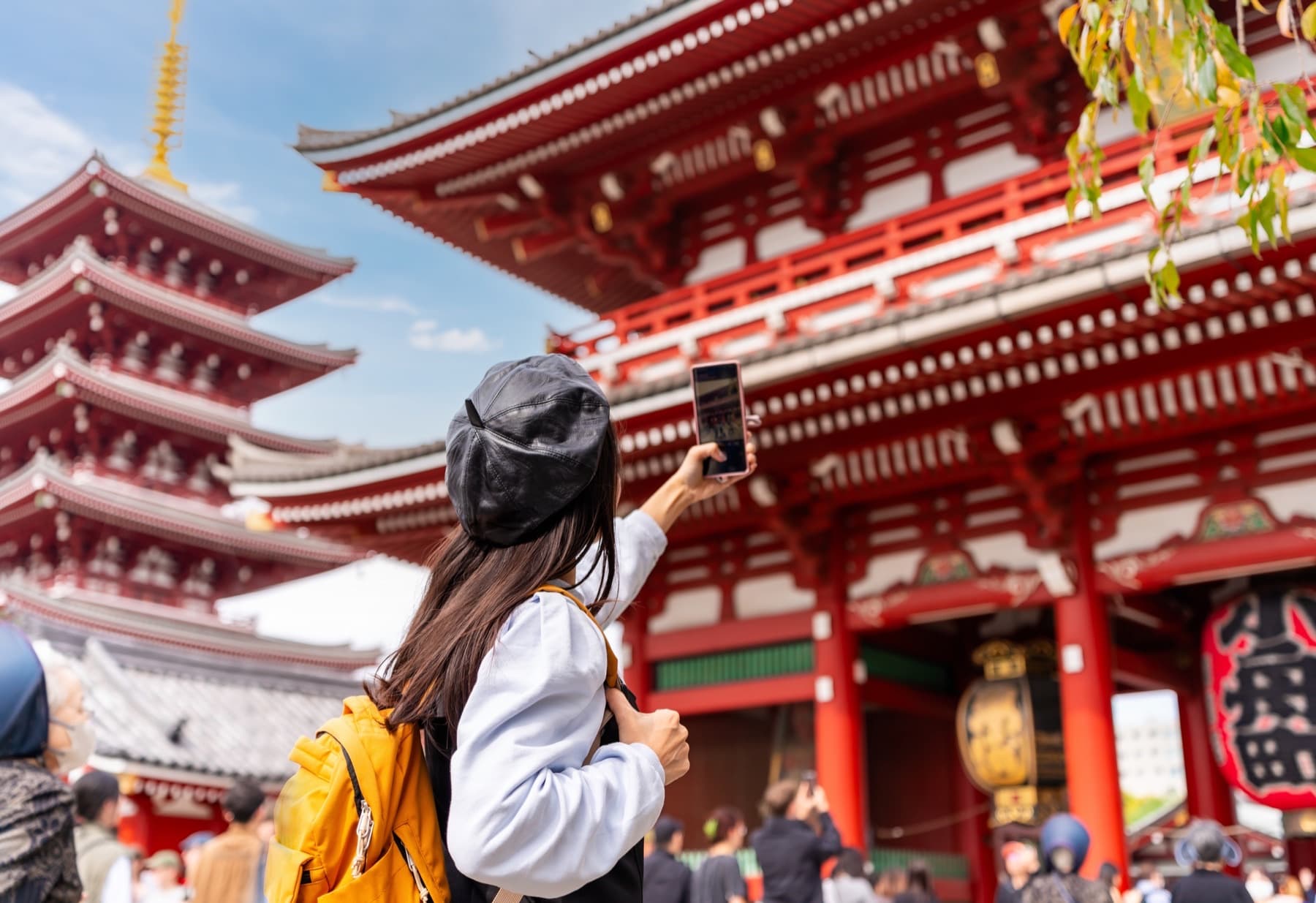
Inbound Tourism to Japan: Opportunity, Imbalance, and Smarter Growth
Japan’s inbound numbers have surged back — and in many cases, surpassed pre-pandemic levels. A weak yen has made the country exceptionally attractive for overseas visitors, particularly from North America, Southeast Asia, Australia, and parts of Europe.
For travelers, Japan feels like a premium destination at a relative discount.
For the industry, however, the story is more complicated.
Overtourism in Key Gateways
Cities like Tokyo, Osaka, and Kyoto are feeling the pressure. High occupancy, crowded attractions, and rising operating costs are becoming the norm.
At the same time, the surge has created a new focus among operators:
How do we maximize yield without damaging long-term positioning?
Hoteliers, activity providers, and destination stakeholders are now refining strategies to:
- Increase average daily rate (ADR)
- Capture greater on-property wallet share
- Drive ancillary revenue (F&B, experiences, transport, upgrades)
- Maintain occupancy during shoulder and low seasons
The goal is no longer just volume. It’s smarter volume.
The Regional Imbalance
While gateway cities face overcrowding, many secondary and regional destinations continue to struggle with international awareness.
Properties outside the “golden route” — Tokyo, Osaka, Kyoto — often see:
- Lower direct traffic from overseas
- Heavy reliance on OTAs
- Inconsistent international demand
- Weak shoulder-season performance
Even destinations with strong appeal — such as Furano in Hokkaido — require targeted digital efforts to remain competitive globally.
The issue isn’t product quality.
It’s discoverability.
Where Smart Digital Strategy Changes the Game
For regional hotels and tourism operators, growth doesn’t always require massive budgets.
It requires precision.
Well-structured digital strategies can:
- Identify high-intent source markets
- Align campaigns with seasonal demand windows
- Drive direct bookings rather than OTA-heavy distribution
- Build remarketing funnels to increase repeat visitation
- Capture demand during shoulder periods through targeted promotions
And when done properly, the returns can be significant.
A Real Example
In a recent HOGO case study, we worked with a small independent hotel in Hokkaido.
By refining market targeting, restructuring paid search and performance campaigns, and aligning seasonal messaging with inbound travel patterns, the property saw:
- Direct revenue doubled year over year
- Peak monthly ROI exceeding 1,000%
- Stable year-round ROI averaging approximately 600%
The most important takeaway wasn’t just the return.
It was the consistency.
Performance wasn’t limited to one high season. It became sustainable.
Understanding the Inbound Feed
Japan’s inbound growth today is being fueled by several key dynamics:
- A historically weak yen
- Increased air capacity from Southeast Asia and North America
- Strong social media visibility
- Repeat visitation behavior (especially among Asian travelers)
- Growing interest in experiential and rural tourism
However, demand alone doesn’t guarantee performance.
Properties need:
- Proper geo-targeting by source market
- Language-specific creative and landing pages
- Smart bidding strategies aligned to booking windows
- Data visibility across channels
- Clear measurement frameworks
Without that structure, even strong inbound demand can leak through inefficient distribution or poor digital execution.
The Next Phase of Japan Tourism Growth
As Japan continues to manage overtourism in major cities, regional distribution will become increasingly important.
The opportunity for operators outside the primary hubs is real — but it requires proactive marketing.
Low-cost, high-return digital strategies can:
- Unlock new source markets
- Smooth demand volatility
- Increase direct booking share
- Improve total revenue per available room
- Reduce dependence on third-party channels
The properties that win over the next few years won’t simply ride inbound demand.
They’ll structure it.
At HOGO, we work with hotels, tourism boards, and activity providers across Japan to design performance-driven digital strategies tailored to inbound markets.
Whether the objective is yield optimization in a high-demand city or awareness growth in a regional destination, the approach remains the same:
Data first. Market precision. Measurable return.
Japan’s inbound momentum isn’t slowing.
The question is how effectively you’re capturing it.